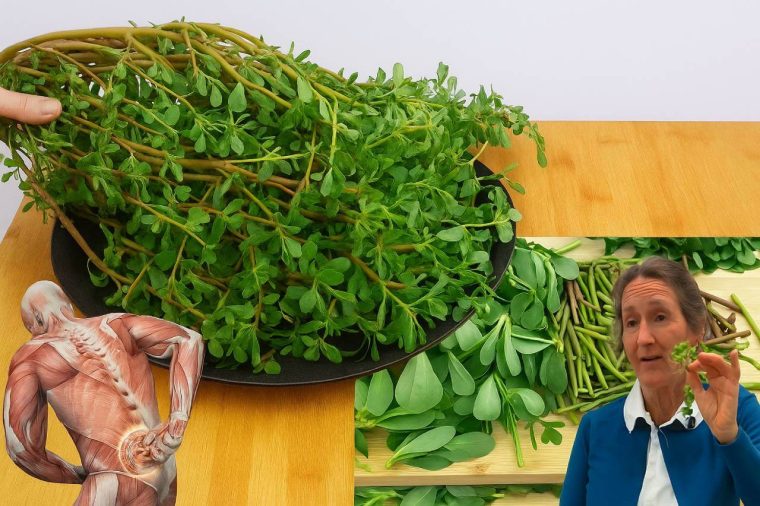
How to Pick Purslane for Eating
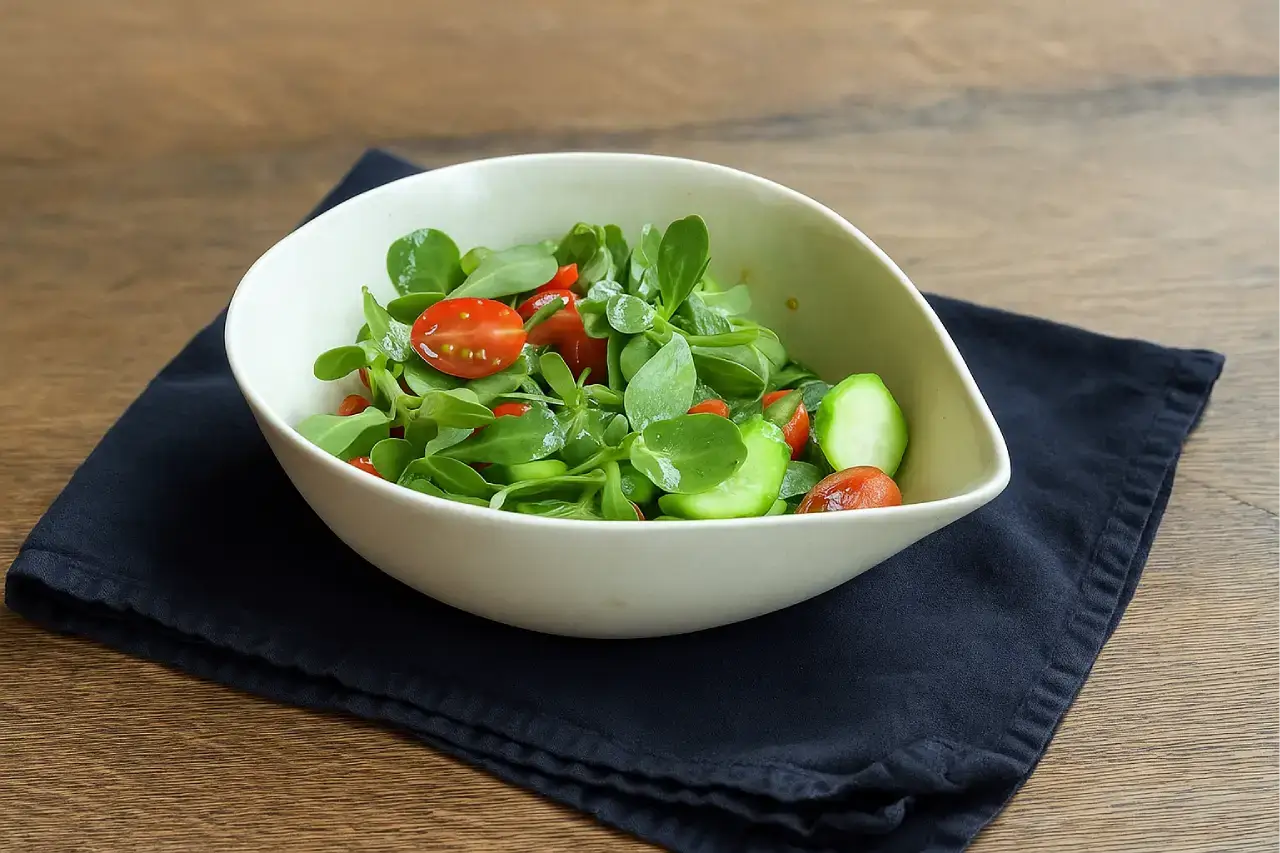
How to Use Purslane
One of the best things about purslane is its versatility. It can be eaten raw or cooked and works in a wide range of dishes.
Raw Uses
- Fresh salads: Mix with cucumbers, tomatoes, onions, and lemon juice.
- Sandwiches and wraps: Add instead of lettuce for crunch.
- Toppings: Sprinkle over pizza, tacos, or flatbreads.
Cooked Uses
- Sautéed side dish: Quick fry with garlic and olive oil.
- Soups and stews: Add at the end of cooking for extra body.
- Egg dishes: Mix into omelets or scrambled eggs.
Creative Ideas
- Smoothies: Blend a handful with fruits for a nutrient boost.
- Pickled purslane: Preserve the leaves in vinegar for a tangy snack.
- Herb substitute: Use it in place of parsley or spinach in some recipes.
Why Skip the Thick Stems?
Large stems tend to be fibrous, stringy, and not pleasant to chew. Since purslane grows abundantly, it’s better to discard them and focus on the younger leaves and thinner stems. This way, you’ll enjoy the best taste and texture without compromising the eating experience.
Safety Tips for Eating Purslane
- Harvest from clean areas only.
- Wash thoroughly before use.
- Start with small amounts if you are new to it — the mucilaginous texture can be unusual at first.
- Consult your doctor if you have kidney issues, as purslane is high in oxalates.
Conclusion
Purslane is one of the most underrated edible greens in the world. With its refreshing lemony flavor, crisp texture, and incredible nutritional profile, it deserves a place on your plate. By picking the tender leaves, avoiding the thick stems, and preparing it properly, you can enjoy purslane in salads, wraps, soups, and even smoothies.
The next time you see purslane growing in your garden or along a clean sidewalk, don’t think of it as just another weed. Think of it as a free, delicious, and healthy green that can bring something new to your meals.